
Types of Cosmetic Packaging
 +
+
Packaging is an integral part of a cosmetic product.
It serves not only a protective function, but also a marketing one. In many cases, it influences the consumer’s final purchasing decision, and therefore plays a direct role in how the brand is positioned in the cosmetics market.
The ideal packaging encourages the consumer to reach for the product, and later reinforces its functionality and user-friendliness during use. When selecting packaging, the manufacturer must also take into account the required safety standards that the packaging must meet.
Required Safety Standards
Cosmetic packaging must be made from materials that are safe for human health. The composition of glass and plastic materials must be stable and, during product use, must not release harmful or hazardous substances.
Requirements regarding purity of packaging materials and permissible trace contaminants are regulated, among others, in Regulation (EC) No. 1223/2009 of the European Parliament and of the Council on cosmetic products.
This regulation also addresses laboratory testing requirements for cosmetic packaging. Additionally, it specifies that responsibility for the safety of packaging lies with the manufacturer (the Responsible Person).
These requirements are supplemented by GMP Regulation (EC) No. 2023/2006 concerning Good Manufacturing Practices.
Types and Uses of Cosmetic Packaging
Jars
One of the most common forms of cosmetic packaging. Their main advantage is ease of dispensing and the ability to use the product completely. Jars can be made of glass or plastic and are available in capacities such as 15 ml, 30 ml, 50 ml, 100 ml, and 150 ml.
Ideal for: creams, balms, body butters.
Bottles
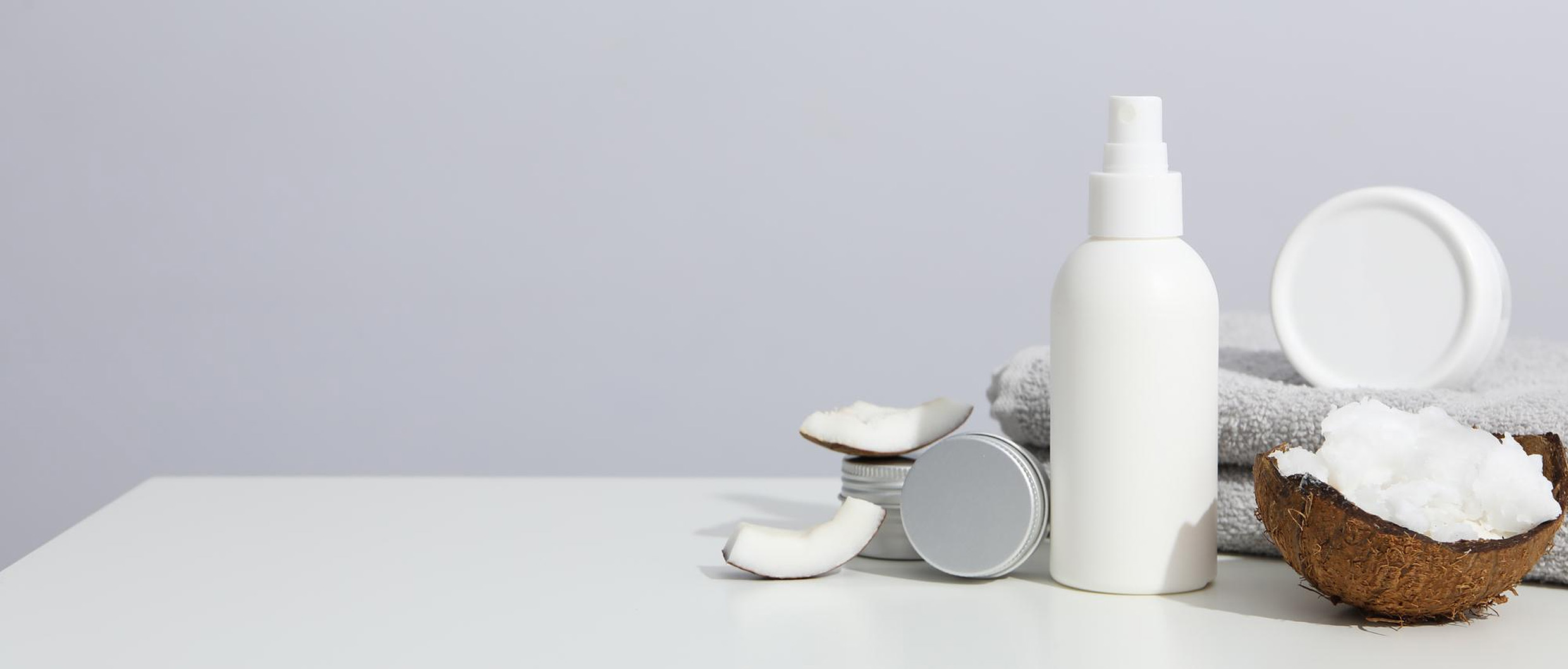
Suitable for storing liquid and semi-liquid products. They allow for various closure types such as screw caps, pumps, atomizers, and droppers. Bottles can be made of glass or plastic and range in size from 10 ml up to 2 liters.
Ideal for: toners, oils, shampoos, serums.
Tubes
Designed for creamy and semi-liquid products. The flexibility of the material allows easy dispensing and full use of the product.
Typical minimum capacity: 10 ml.
Ideal for: creams, masks, gels.
Airless Packaging
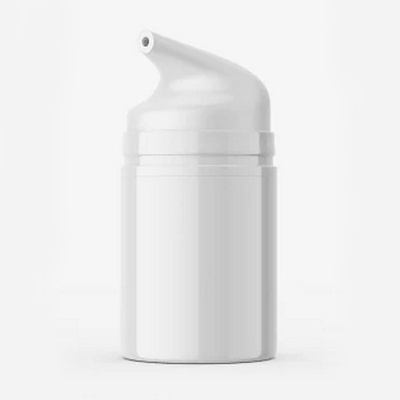
A new-generation system using a pump and piston mechanism that pushes the product upward.
Advantages include airtightness and reduced exposure to oxygen and bacteria — especially important for formulations rich in natural active ingredients.
Airless containers are made of glass or plastic and typically start from 15 ml capacity.
Ideal for: serums, active creams, sensitive formulations.
References
-
Diaczek A.M., Gardu W., Ecological packaging in the cosmetics industry – trend or real increase in consumer awareness?, Ekonomika i Organizacja Logistyki, 2019
-
Jakubowska-Stokowska J., Eris I., The role of compatibility testing of packaging during cosmetic product development, Świat Przemysłu Kosmetycznego, 2012
-
Taranko T., The role of packaging in brand communication in the cosmetics market, Marketing i Rynek, 2014
-
Samsonowska K., Safety of plastic packaging intended for cosmetic products, Opakowanie, 2018
-
Lisowska-Kręcik A., The influence of packaging on the safety of cosmetic products, Świat Przemysłu Kosmetycznego, 2014